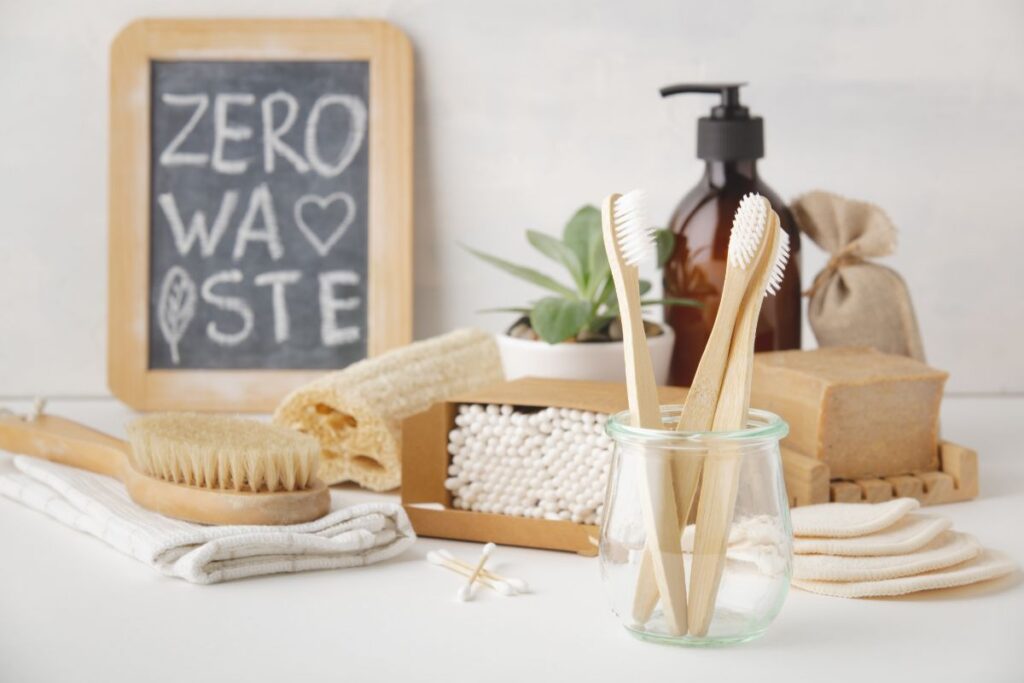
In today’s world, more and more people are becoming aware of the impact their daily habits have on the environment. One area where we can all make a difference is in our household and bath product choices. By making simple swaps to eco-friendly alternatives, we can reduce our carbon footprint and contribute to a healthier planet. In this blog post, we will explore some easy changes that everyone can make in their home to create a more sustainable lifestyle.
Swap out plastic bottles for refillable containers
Instead of purchasing single-use plastic bottles of shampoo, conditioner, and body wash, consider investing in refillable containers. Many companies now offer bulk options that allow you to fill up your containers at stores or online. In the long term, this saves you money in addition to reducing waste.
Use natural cleaning products
Traditional household cleaners often contain harsh chemicals that can be harmful to both the environment and your health. Make the switch to natural cleaning products that are biodegradable and non-toxic. Look for brands that use ingredients like vinegar, baking soda, and essential oils for effective yet gentle cleaning.
Choose bamboo toothbrushes
Did you know that over one billion plastic toothbrushes are thrown away each year in the United States alone? Opt for bamboo toothbrushes instead, which are biodegradable and sustainable. Bamboo is a fast-growing plant that requires minimal resources to grow, making it a more eco-friendly alternative to plastic.
Use compostable sponges
Traditional kitchen sponges are made of synthetic materials and cannot be recycled. Make the switch to biodegradable and compostable sponges made from natural materials like loofah or cellulose. Not only do these sponges break down easily, but they also have a lower environmental impact during production.
Cut back on paper products
Toilet paper, paper towels, and tissues are all items that we often use without much thought. However, these products contribute to deforestation and can take years to decompose in landfills. Consider switching to bamboo or recycled alternatives for these household essentials.
Start a compost bin
Start a compost bin in your garden to dispose of your food waste instead of throwing it away. In addition to keeping waste out of landfills, composting produces soil that is rich in nutrients for gardening. You can even purchase or make a small indoor composter if you don’t have outdoor space.
Try out shampoo and conditioner bars
These solid bars are more eco-friendly than plastic bottles, long-lasting, cost-effective, and eliminate the need for packaging. Plus, they’re great for travel since they’re not considered liquids like traditional shampoo. Look for options that are free of sulphates and parabens for a healthier option for your hair.
Use LED light bulbs
Making the switch to energy-efficient LED light bulbs not only reduces your energy consumption but also saves you money on your electricity bill. These bulbs last longer and emit less heat, making them a safer and more sustainable option for lighting your home.
Reduce water waste
Install low-flow showerheads and faucet aerators to reduce the amount of water used in your home. Also, be mindful of how much water you use when washing dishes or doing laundry. Simple changes like turning off the tap while brushing your teeth can add up to significant water savings over time.
Buy in bulk
Purchasing items in bulk reduces the amount of packaging waste and can also save you money in the long run. Look for stores that offer package-free options or bring your own containers to fill up with items like grains, nuts, and spices.
Conserve energy
Be mindful of your energy usage by turning off lights and unplugging electronics when not in use. Consider investing in energy-efficient appliances as and when you need to replace appliances in your home.
Shop secondhand
Instead of buying new, consider shopping for clothes, furniture, and household items at thrift stores or online marketplaces. This helps reduce the demand for new products and keeps items out of landfills.
Invest in reusable makeup remover pads
If you use wipes or pads for makeup removal or skincare applications, consider switching to reusable ones made from organic cotton or bamboo fabric. Simply toss them in the washing machine after each use, and they’ll last much longer than disposable options.
Conclusion
Making small changes in our daily routines can have a big impact on the environment over time. By swapping out common household and bath products for eco-friendly alternatives, we can reduce waste, conserve resources, and support companies that prioritise sustainability. Whether it’s using refillable containers for toiletries or opting for natural cleaning products, there are plenty of simple ways we can all contribute to a greener home. Let’s work together to create a more eco-friendly future for generations to come!