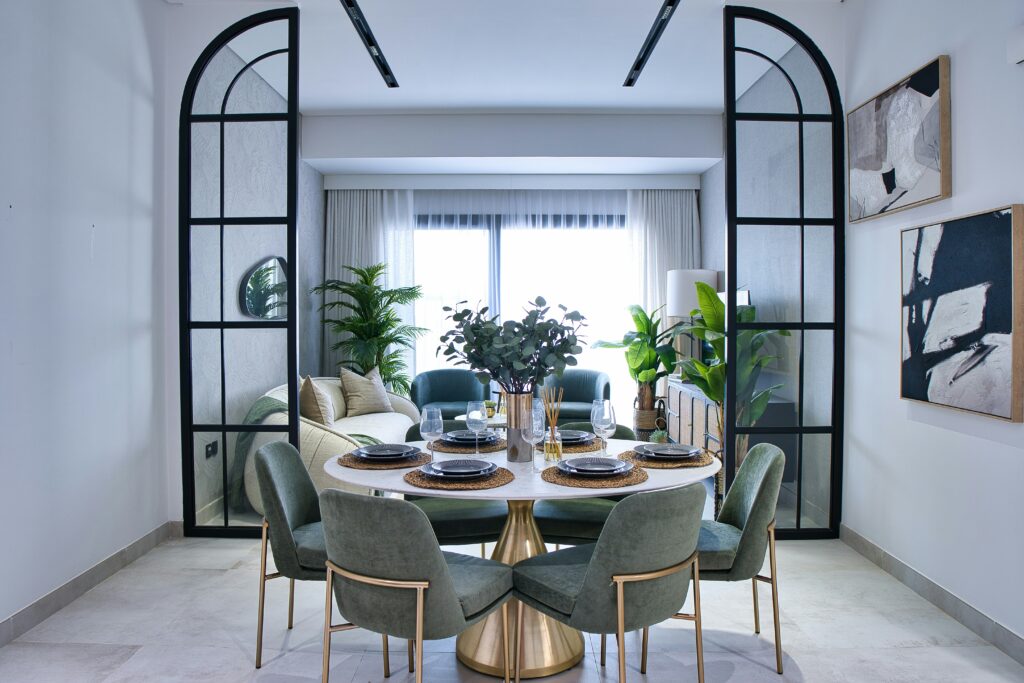
Furniture earns its place in a home through years of daily use, not a single season of visual appeal. A well-chosen statement piece can shape a room, support changing routines and remain useful through several rounds of redecorating. That longer view matters when household budgets are under pressure and unwanted furniture creates substantial waste.
Timeless does not have to mean plain or traditional. It describes furniture with sound construction, practical proportions and enough visual character to feel distinctive without depending on a short-lived trend. Assessing those qualities before buying can lead to a more comfortable home and fewer costly replacements.
Shifting Away from Fast Homeware
Low-cost homeware makes it easy to refresh a room quickly, but frequent replacement carries financial and environmental costs. The UK’s furniture waste challenge includes bulky items that can be difficult to collect, repair or recycle. Making more eco-friendly product swaps, such as choosing durable furniture, recycled materials and reusable home accessories, can help reduce unnecessary waste while creating a more sustainable living space.
A slower approach starts by identifying the pieces that take the most wear. Dining tables, lounges, beds, and storage units face regular handling, weight, and movement, so durability matters more here than for occasional accessories. Spending a larger share of the budget on these core items can reduce the need for repeated purchases. Cushions, lampshades, and artwork offer lower-cost updates when you want a different mood.
Before ordering statement furniture, measure the available space and map its footprint on the floor with masking tape. Leave enough clearance for doors, chairs and normal walking routes. In a dining room, check the table at its full extension and pull each chair back as someone would when standing up.
It also helps to picture the item in three future versions of the room. Consider how it would look with a different wall colour, rug or set of curtains. Furniture that works across those changes lasts longer than a piece tied to one tightly coordinated scheme.
Materials That Stand the Test of Time
Material quality affects appearance, maintenance and repairability. Solid timber can develop a pleasing patina and may be sanded or refinished, though its performance depends on the species, joinery, and protective finish. Metal frames can offer excellent stability, while stone and ceramic surfaces bring weight, heat resistance and strong visual presence. Veneer can also last well when applied carefully to a stable base.
Natural variation deserves consideration. Timber grain and stone veining make every surface slightly different, but porous materials may require prompt cleaning and periodic sealing. Natural stone care generally recommends pH-neutral products and quick attention to spills. Abrasive cleaners and acidic liquids can dull or mark some finishes.
For a dining area meant to anchor an open-plan room, marble dining sets come in both real marble and marble-effect options. Compare the surface composition, care instructions, table weight and chair upholstery before deciding which version suits your household. A busy family may favour a low-maintenance marble-effect surface, while someone comfortable with routine care may appreciate the individual character of natural stone.
Look beneath the surface too. Check how legs attach, whether drawers run squarely and if upholstered seats can be cleaned or recovered. Ask for material samples where available, then view them in morning and evening light. Colour temperature, texture, and sheen can look quite different at home than they do on a bright screen.
Assessing Cost Per Year of Use
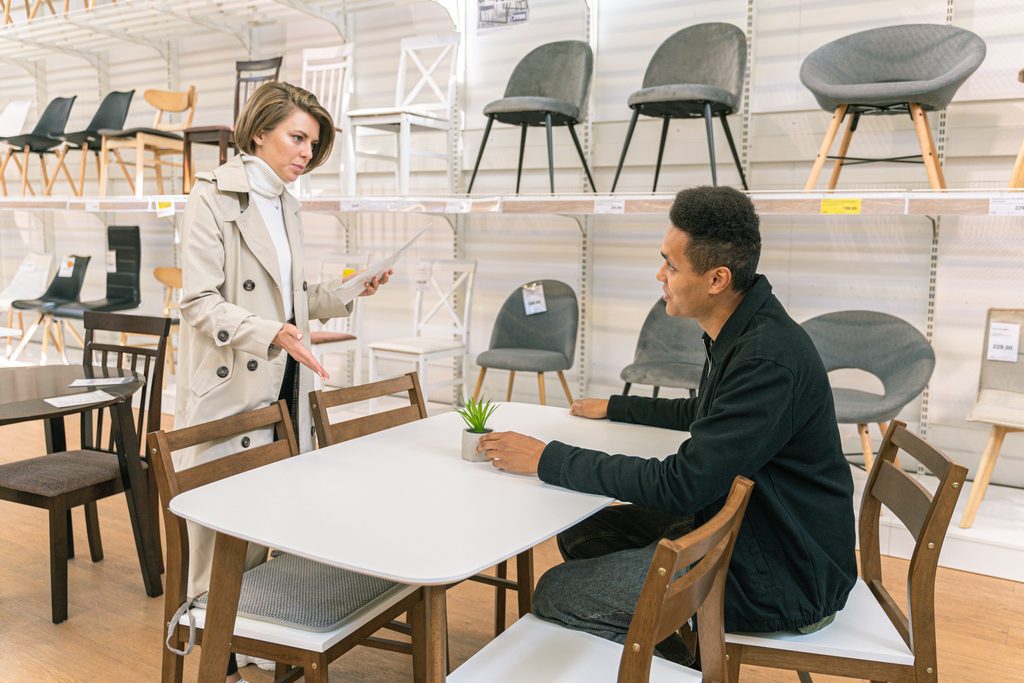
The purchase price gives only part of the picture. Cost per year of use provides a more useful comparison for furniture expected to remain in place for a long time. Divide the total expected cost, including delivery and likely maintenance, by the number of years you reasonably expect to keep the item.
Suppose one dining table costs £500 and lasts five years. Its basic annual cost is £100. Another costs £1,200 but remains functional and attractive for 15 years, producing an annual cost of £80. The more expensive table may deliver better value, provided its construction supports that lifespan and the initial payment fits comfortably within your budget.
Base expected life on evidence, not optimism. Review the frame, joints, surface thickness and care requirements. Read warranty terms closely because they may exclude ordinary wear, accidental marks or commercial use. The right to repair regulations cover certain electrical products rather than furniture, but the same practical principle is useful: access to spare parts and repair services can extend an item’s working life.
Include the possibility of moving house. Large pieces may require professional dismantling or specialist handling, while unusually shaped furniture might not pass through a standard doorway. Modular designs and removable legs can reduce these costs.
Finally, account for resale potential without relying on it. Recognisable materials, neutral finishes and good condition may help a piece find a second owner, yet resale prices vary. Treat any future return as a bonus and base the original decision on years of realistic use in your own home.
Balance Trends with Longevity
Trends can provide useful ideas about colour, shape and layout, but the most durable interiors interpret them selectively. Keep expensive furniture grounded in forms and materials you have liked for several years. Introduce more experimental colours or patterns through items that are easy to replace, repair or move between rooms.
A simple visual test can expose trend dependence. Remove the current styling from a product image in your mind, including the fashionable paint colour, sculptural vase and dramatic lighting. Focus on the furniture’s silhouette, proportions and material. If the piece still feels appealing, it is more likely to survive a change in decorative direction.
Longevity also depends on how well furniture supports real behaviour. Rounded corners may suit a tight route through a kitchen-diner. An extendable table can accommodate guests without occupying extra space every day. Washable or replaceable chair covers may be valuable in homes with young children. The Furniture Industry Sustainability Programme highlights issues including resource use, product life and responsible production, all of which can inform questions for a retailer.
Aim for connection, not perfect matching. Repeating one material tone or shape across a room usually creates enough cohesion. A curved table might relate to an arched mirror, while dark legs can echo a nearby lamp or cabinet handle. This gives a statement piece context without requiring every object to come from the same range.
Before committing, save an image of the item and review it again after a week. Check the dimensions again, read the care guidance, and consider where it would go if the room’s purpose changed. A piece that passes those practical tests and still holds your attention has a far better chance of becoming part of the home’s identity for many years.
*This is a collaborative post