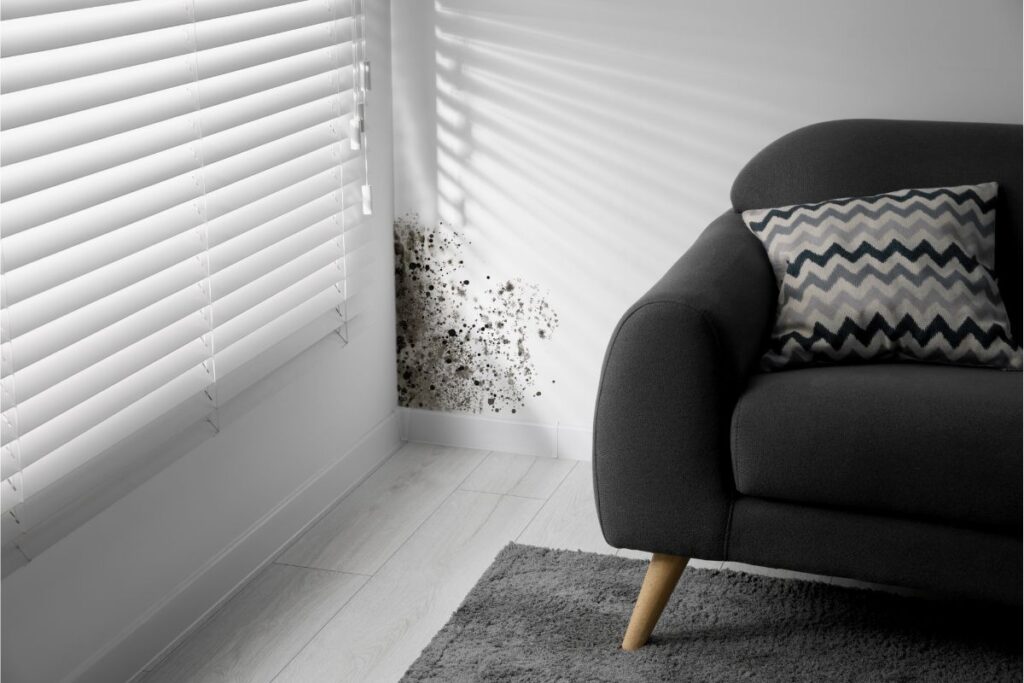
You’ve just spotted it. That telltale dark patch creeping up the corner of your bathroom wall, or perhaps a musty smell wafting from your wardrobe.
Mould is the uninvited guest that never knows when to leave. In the UK, with our damp climate and unpredictable weather, it’s practically a national pastime battling this persistent problem.
But here’s the good news: you don’t have to accept mould as part of your home’s character. With the following tips, you can banish it for good and keep it from coming back.
Start with Proper Ventilation
The single most effective weapon against mould is proper airflow, so let’s make this our first step.
Open your windows daily, even during winter. Just ten minutes of fresh air circulation can drastically reduce moisture levels. Focus on rooms that generate the most moisture, like kitchens, bathrooms, and bedrooms.
Install extractor fans if you haven’t already, and actually use them. Run your bathroom fan during showers and for at least twenty minutes afterwards. Kitchen extractors should be on whenever you’re cooking, especially when boiling or frying.
Trickle vents in windows are brilliant for continuous low-level ventilation without creating drafts. Many modern UK homes have these fitted as standard, but older properties might need them added.
Don’t block air vents with furniture or curtains. Your home needs to breathe, and blocking these airways is like putting a plastic bag over its head.
If you’re struggling with persistent ventilation issues in a larger property, some cleaning companies offer consultations on improving airflow alongside their domestic cleaning services.
Control Moisture at the Source
Ventilation alone won’t cut it if you’re generating excessive moisture.
Dry wet clothes outside or in a well-ventilated room, ideally with a dehumidifier running. Avoid draping laundry over radiators, which pumps moisture directly into your air.
When cooking, always use lids on pots and pans. This simple step dramatically reduces steam escaping into your kitchen. The same principle applies to kettles—only boil what you need.
Fix leaky pipes and taps immediately. That slow drip might seem minor, but it’s creating constant moisture, perfect conditions for mould. Don’t forget to check under sinks regularly for hidden leaks.
After showering, wipe down tiles and screens with a squeegee. It takes thirty seconds and removes the moisture before it has a chance to encourage mould growth.
Keep your home at a consistent temperature rather than letting it get cold and then heating it rapidly. This reduces condensation on cold surfaces, particularly windows and external walls.
Treat Existing Problem Areas
Now that you’ve spotted mould, it’s time you treat it.
For small patches, a solution of water and white vinegar works brilliantly. Spray it on, leave for an hour, then scrub with a stiff brush. For stubborn mould, a proper mould remover from Tesco does the job.
Always wear gloves and ensure the room is well-ventilated when cleaning mould. The spores can irritate your lungs, and the cleaning products aren’t exactly pleasant to smell either.
Don’t just paint over mould—it will quickly return if the underlying problem isn’t fixed. Address the cause, clean the area thoroughly, let it dry completely, and then consider using anti-mould paint for extra protection.
For serious infestations—anything covering more than a square metre—consider calling professionals. They have the equipment and expertise to deal with it properly without spreading spores throughout your home.
Protect Vulnerable Surfaces and Materials
Some parts of your home are mould magnets and need special attention.
Bathroom sealant is notorious for developing black mould, so make sure to replace it every few years, or when you spot the first signs of discolouration. Prevention is easier than a cure here.
Wardrobes and cupboards against external walls are prime targets, especially in UK homes. So, leave gaps between furniture and walls to allow air circulation. Consider using moisture traps inside wardrobes.
Carpets in bathrooms are basically mould invitations. If you have them, replace them with tiles or vinyl, which are far easier to keep dry and clean.
Window frames, particularly wooden ones, need regular inspection. Condensation pools here regularly, creating perfect conditions for mould to establish itself.
Leather furniture and shoes can develop mould in damp conditions. To prevent this, wipe them down regularly and store them in well-ventilated areas.
Use Dehumidifiers
A good dehumidifier is worth its weight in gold for UK homeowners.
Place one in your most problematic room and run it regularly. Empty the collection tank daily, or set up continuous drainage if possible.
Different rooms need different approaches. Bedrooms benefit from running the dehumidifier while you’re at work, while bathrooms might need it after morning routines.
Monitor your home’s humidity with a hygrometer. Aim for between forty-five and fifty-five per cent. Below forty gets uncomfortable, above sixty and mould starts partying.
Modern dehumidifiers can be surprisingly energy-efficient, and the electricity cost is usually far less than dealing with mould damage or health problems.
Remember that dehumidifiers work best in sealed rooms. So, to get the most out of them, keep doors and windows closed while they’re running.
Maintain Long-Term Prevention
Once you’ve tackled your mould problem, staying on top of it becomes surprisingly easy. Start by creating a weekly routine that includes wiping down moisture-prone areas, such as window sills, bathroom corners, and kitchen splashbacks.
Just five minutes can prevent hours of deep cleaning later.
Next, clean or replace extractor fan filters regularly, since a clogged filter is almost as ineffective as having no filter at all.
After that, inspect your property’s exterior for issues that might let water in; blocked gutters, damaged roof tiles, and cracked render can all contribute to internal damp and mould growth.
Also, keep indoor plants to a reasonable number. While they add charm, they release moisture into the air, which can exacerbate mould problems if your home is prone to damp.
Finally, during autumn and winter, when mould tends to peak in the UK, increase your vigilance by checking vulnerable spots more frequently. Adjust your heating and ventilation as needed to keep damp under control.
Conclusion
Well done for making it through this mould masterclass! You’re now armed with everything you need to keep your home mould-free. It’s not about perfection—it’s about consistent, sensible practices that become second nature.
The beauty of these prevention strategies is that they work continuously in the background. A bit of daily attention beats a massive remediation project any day of the week.
Your home should be a sanctuary, not a science experiment for growing exotic fungi. Now go forth and conquer that mould.
*This is a collaborative post